
With Australia importing approximately 62% of the seafood it consumes, and Thailand being one of its largest seafood suppliers, emerging reports of arsenic contamination and diseased fish in Southeast Asian waterways should be raising serious questions about Australian food safety and import regulations.
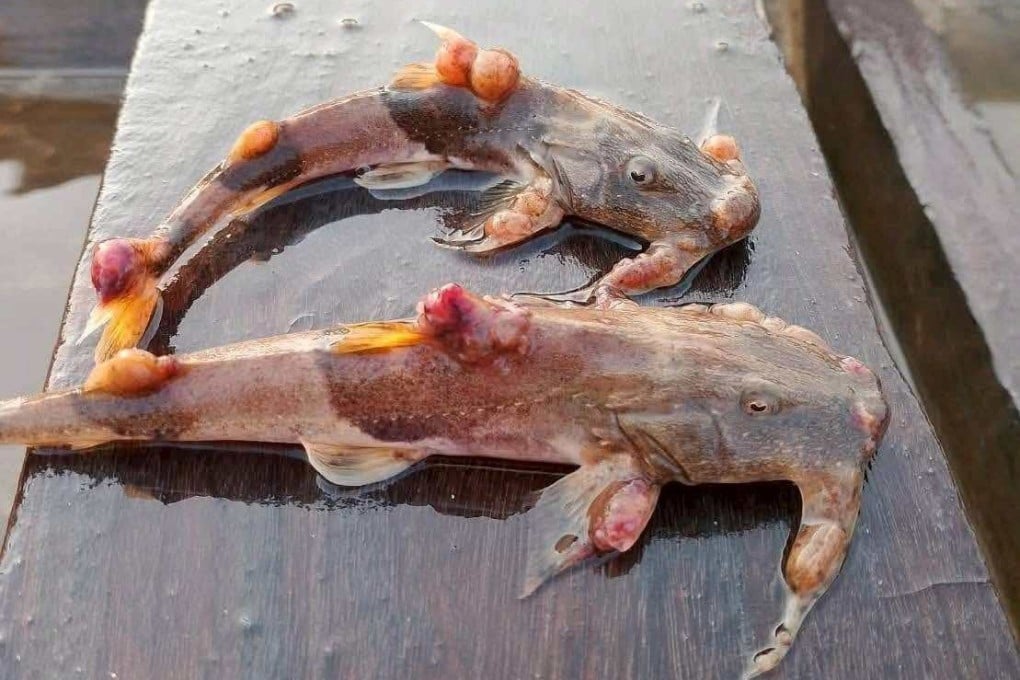
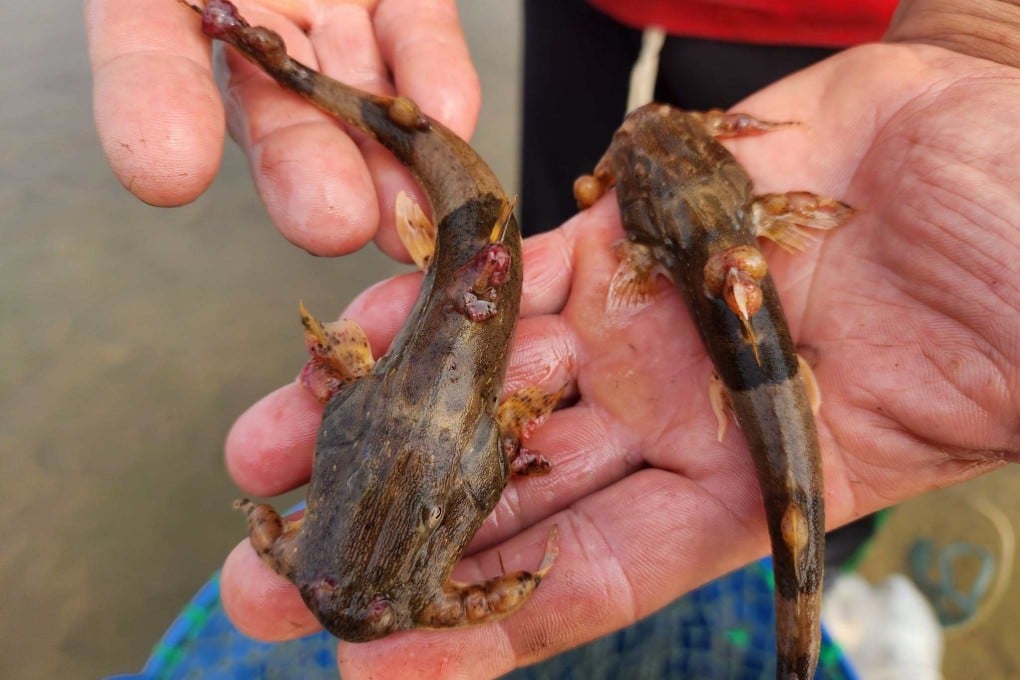
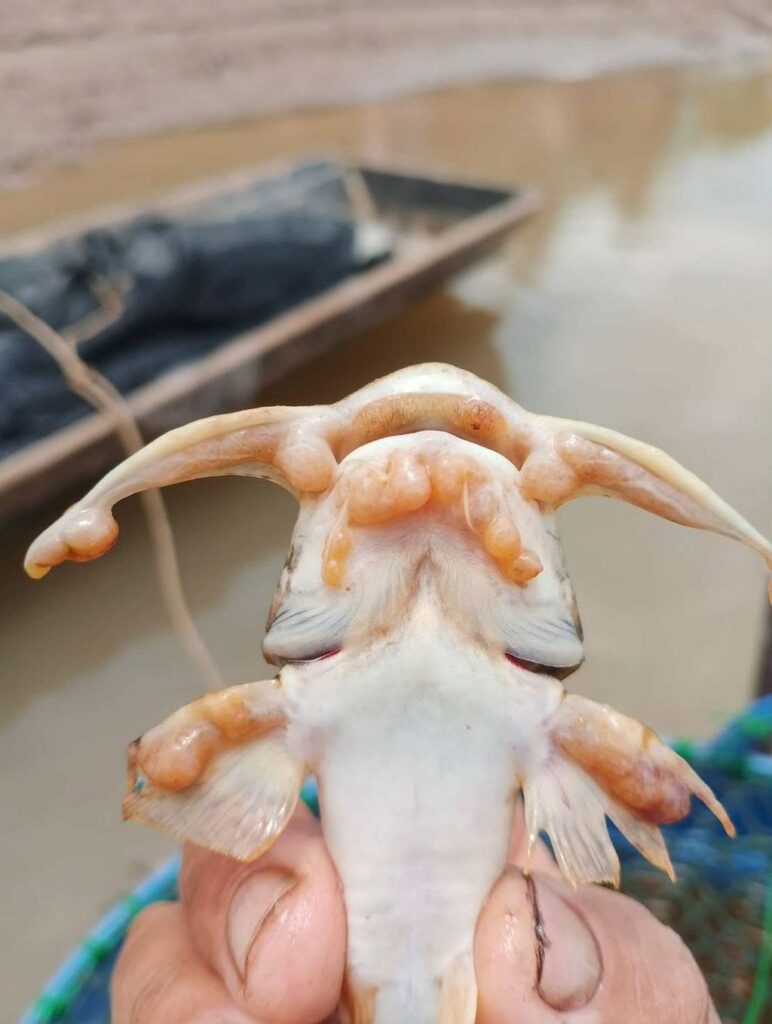
Fishermen along Thailand’s section of the Mekong River are reporting increasing numbers of fish covered in blisters, abnormal growths, lesions and discoloured fins, prompting local communities to refer to them as “zombie fish”.
Environmental activists believe that toxic runoff from upstream mining operations, particularly rare earth and gold mining in Myanmar, Laos and China, is contributing to the deterioration of the river system and threatening the human food chain.
The United Nations Food and Agriculture Organization (FAO) recognises the Mekong River system as the world’s largest inland fishery, supporting more than 60 million people.
Australia’s Dependence On Thai Seafood
Thailand is the world’s largest canned tuna processing centre and one of Australia’s most significant seafood suppliers.
Historical Australian seafood import figures illustrate the extent of this dependence.
| Australian Seafood Imports | Statistics |
|---|---|
| Seafood consumed in Australia that is imported | 62% |
| Seafood imports from Thailand by value (2019–20) | 23% |
| Thai tuna imports (2022) | 42,051 tonnes |
| Thai seafood import value (2021–22) | $405 million |
Proportion Of Australian Fish Imports Sourced From Thailand
Tuna (2018–22) — 84.3%
🟥🟥🟥🟥🟥🟥🟥🟥⬜⬜
Salmon (2022) — 20.67%
🟥🟥⬜⬜⬜⬜⬜⬜⬜⬜
Sardines (2022) — 12.93%
🟥⬜⬜⬜⬜⬜⬜⬜⬜⬜
Despite being surrounded by oceans, Australia exports substantial quantities of its premium seafood while importing cheaper seafood products for domestic consumption.
This dependence exposes Australian consumers to food supply chains operating under foreign environmental regulations, pollution controls and monitoring systems.
Arsenic Levels Up To 30 Times Permitted Standards
Thailand’s Pollution Control Department has recorded significant increases in heavy metal contamination since 2024.
By August 2026, arsenic concentrations in sections of the Mekong River had reached three to four times Thailand’s permitted surface water standard.
Testing of untreated water from the Sai River, which feeds into the Mekong, subsequently identified arsenic concentrations of 0.3 mg per litre.
30 Times The Permitted Limit
| Location | Arsenic Concentration | Standard Exceeded |
|---|---|---|
| Permitted standard | 0.01 mg/L | 🟢 Standard |
| Mekong River | Up to 0.04 mg/L | 🟠 4 times |
| Sai River | 0.30 mg/L | 🔴 30 times |
Environmental researchers and local residents have collected approximately 60 fish specimens for examination at Naresuan University.
- Six fish displayed severe blistering.
- 30 to 40 fish exhibited lesions, sores and reddened fins and tails.
Heavy metal contamination is suspected of compromising the fishes’ immune systems, making them increasingly susceptible to disease.
When Environmental Pollution Enters The Human Food Chain
Heavy metals and other toxic contaminants can accumulate within aquatic organisms, entering the human food chain through consumption.
Unlike bacterial contamination, heavy metals cannot be eliminated through ordinary cooking, freezing or canning.
Prolonged exposure to inorganic arsenic has been associated with:
- Neurological damage: Impaired cognitive function and peripheral neuropathy.
- Liver damage: Oxidative stress and impaired liver function.
- Kidney damage: Reduced renal function.
- Cardiovascular disease: Damage to blood vessels and increased cardiovascular risk.
- Immune dysfunction: Impaired immune responses.
- Cancer: Increased risk of bladder, lung and skin cancers.
- Developmental abnormalities: Disruption of normal childhood development.
The problem extends well beyond fish. Approximately 2,500 pumping stations along the Mekong draw water for drinking and agricultural irrigation, with produce supplied to major wholesale food markets throughout Thailand.
Is Australia Adequately Testing Imported Seafood?
Under Australia’s Imported Food Inspection Scheme, not every shipment entering the country undergoes laboratory testing.
Australian government regulations permit inspection rates to be reduced according to previous compliance records.
Initial Risk Food Inspection Rate — 100%
🟦🟦🟦🟦🟦🟦🟦🟦🟦🟦
Intermediate Risk Food Inspection Rate — 25%
🟦🟦🟦⬜⬜⬜⬜⬜⬜⬜
Reduced Risk Food Inspection Rate — 5%
🟥⬜⬜⬜⬜⬜⬜⬜⬜⬜
Surveillance Food Inspection Rate — 5%
🟥⬜⬜⬜⬜⬜⬜⬜⬜⬜
Certain imported foods operating under compliance agreements are also exempt from routine government border inspections.
Furthermore, visual inspections cannot determine whether fish contain dangerous concentrations of arsenic or other heavy metals.
Australian food standards permit a maximum inorganic arsenic concentration of 2 mg/kg in fish.
But having a regulatory limit is not the same as testing every shipment to ensure that limit has not been exceeded.
What Should The Australian Government Be Doing?
Given Australia’s substantial dependence on Southeast Asian seafood imports, the Australian Government should immediately consider:
- Mandatory heavy metal testing of seafood sourced from affected regions.
- Independent laboratory testing of imported fish.
- Mandatory origin disclosure identifying where fish were caught or farmed, not simply where they were processed.
- Public transparency through publication of contamination test results.
- Import suspensions from waterways where unsafe contamination levels are established.
- Domestic investment in Australia’s fishing industry.
- A national investigation into the potential exposure of Australian consumers to contaminants from Southeast Asian mining operations.
Although much of Thailand’s exported tuna is ocean-caught rather than sourced from the Mekong, the emerging environmental contamination warrants investigation into which imported seafood products originate from affected waterways.
The presence of affected Mekong fish in Australia’s food supply has not yet been established.
However, Australians should not have to wait until contaminated products are discovered on supermarket shelves before their government takes preventative action.
Australia’s food security should never come at the expense of Australia’s food safety.
Sources And References
Australian Department of Agriculture, Fisheries and Forestry. Australia’s seafood trade.
https://www.agriculture.gov.au/fisheries/aus-seafood-trade
Australian Government. Review of illegal, unreported and unregulated fishing risk in Australia’s seafood imports.
https://www.agriculture.gov.au/sites/default/files/documents/mrag-final-report.pdf
Fisheries Research and Development Corporation. Australian seafood trade and market access.
https://www.frdc.com.au/australian-seafood-trade-and-market-access
Australian Marine Conservation Society and TRAFFIC. Australian seafood imports.
https://www.marineconservation.org.au/wp-content/uploads/2024/09/AMCS-TRAFFIC.pdf
Australian Bureau of Agricultural and Resource Economics and Sciences. Australian trade in fisheries and aquaculture products.
https://www.agriculture.gov.au/abares/research-topics/fisheries/fisheries-and-aquaculture-statistics/trade
United Nations Food and Agriculture Organization. Fish and fisheries of the Lower Mekong River Basin.
https://www.fao.org/4/i3142e/i3142e00.pdf
Australian Government. Imported Food Inspection Scheme.
https://www.agriculture.gov.au/import/goods/food/inspection-compliance/inspection-scheme
Food Standards Australia New Zealand. Arsenic.
https://www.foodstandards.gov.au/consumer/chemicals/arsenic
South China Morning Post. (2026, November 16). ‘Zombie fish’ found in Thailand raise fears of heavy metals in Mekong River.
Leave a Reply