
She is a 72-year-old Canadian and a Christian whose X profile gives her home as Strathmore, Alberta. At 68 she was diagnosed with triple-negative breast cancer, and she went through chemotherapy, surgery and radiation.
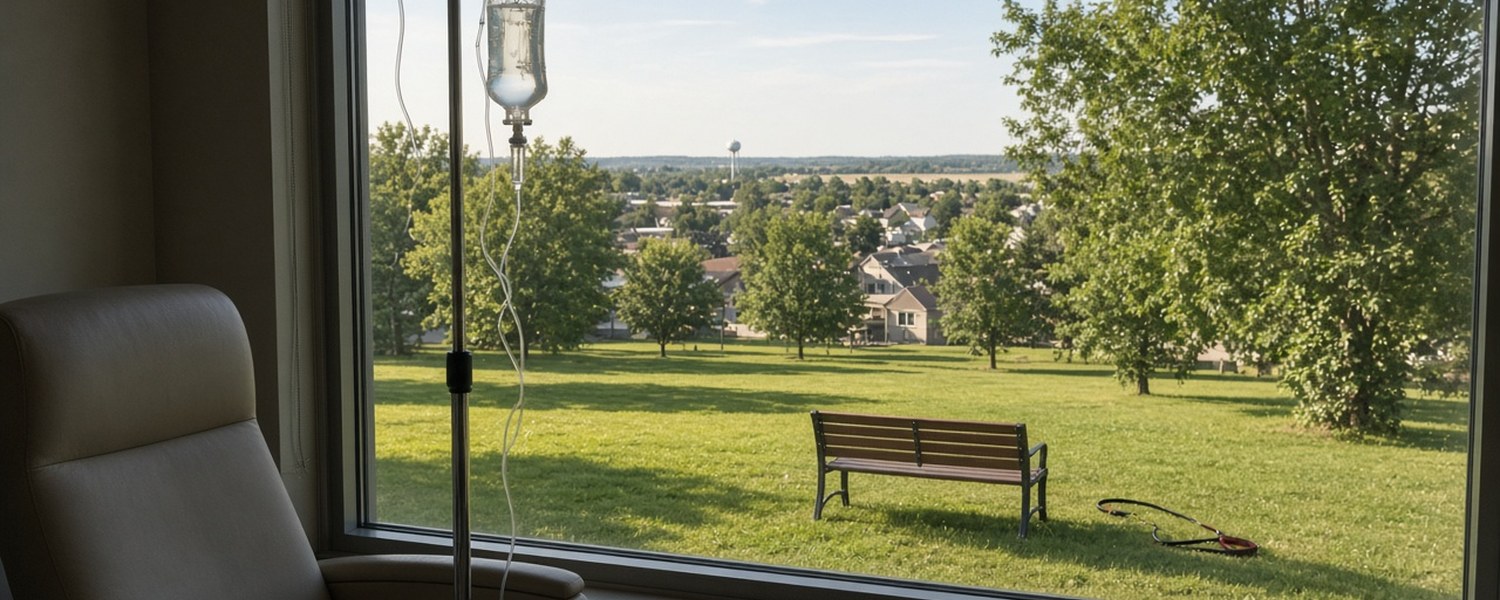
On one treatment day she sat watching people outside walking their dogs and playing with their grandchildren. “I had a few tears running down my face and a nurse asked me what’s the matter,” she wrote. “The next week on my treatment day I got a folder telling me about maid. And then someone came by later on and asked if I read my folder and I said yes. I did but I’m not interested.”
When she asked why anyone thought she would want it, “She replied. We were told that you were feeling a little depressed.” “A nurse had reported that I had a sad day and I had been crying,” she wrote. She told staff that, as a Christian, she saw it as suicide. She kept the folder “so I could prove that I received the folder.”
“I’m 72 so far. My scans are all clear. I had chemotherapy. I had surgery and I had radiation. I walk 10 km a day with my dog,” she wrote. “I’m enjoying life a life that they thought was best for me to surrender.” And, to those who say it does not happen: “This person telling you that it doesn’t happen. It does.”
A single sad moment during chemotherapy was written up as depression, and depression was treated as a reason to offer death. A cancer patient who was doing well was offered MAID because she cried. She survived, and she still has the folder. Her case shows how ordinary grief during treatment can be recorded as a reason to put death on the table.
Sources
- X post by @nocbc: First-hand account of receiving a MAID folder during chemotherapy
- X post by @nocbc: “I too was offered maid”
Case reference: MKT2-GNUS-M82J-WVVQ · Alberta · MAID raised by others; not requested · Recorded by the register as a MAID victim
Leave a Reply