
Case reference: MAID-BC-2026-5VD5 · Vancouver, British Columbia · MAID raised by others; not requested · Recorded by the register as a MAID victim
Who she is
Miriam Lancaster is a retired piano teacher in Vancouver. Her daughter, Jordan Weaver, calls her “a dynamo.” “She reads books. She goes to the theatre. She’s alert. She takes the public bus on her own. She’s active. Her life is valuable to the people who care for her,” Weaver told the National Post. Mother and daughter are practising Catholics and churchgoers.
Her husband died of metastatic cancer in 2023. She says that ten days before his death, at the same hospital, a doctor told the family he was required by law to offer him MAID. He turned it down.
What happened
In April 2025, at 84, Lancaster was taken by ambulance to Vancouver General Hospital with lower back pain unlike anything she had felt before. She had a fractured sacrum, a break in the bone at the base of the spine. She and her daughter say that while she was still in the emergency department, after multiple hours, a young doctor came in to discuss care options, and the first option was MAID.
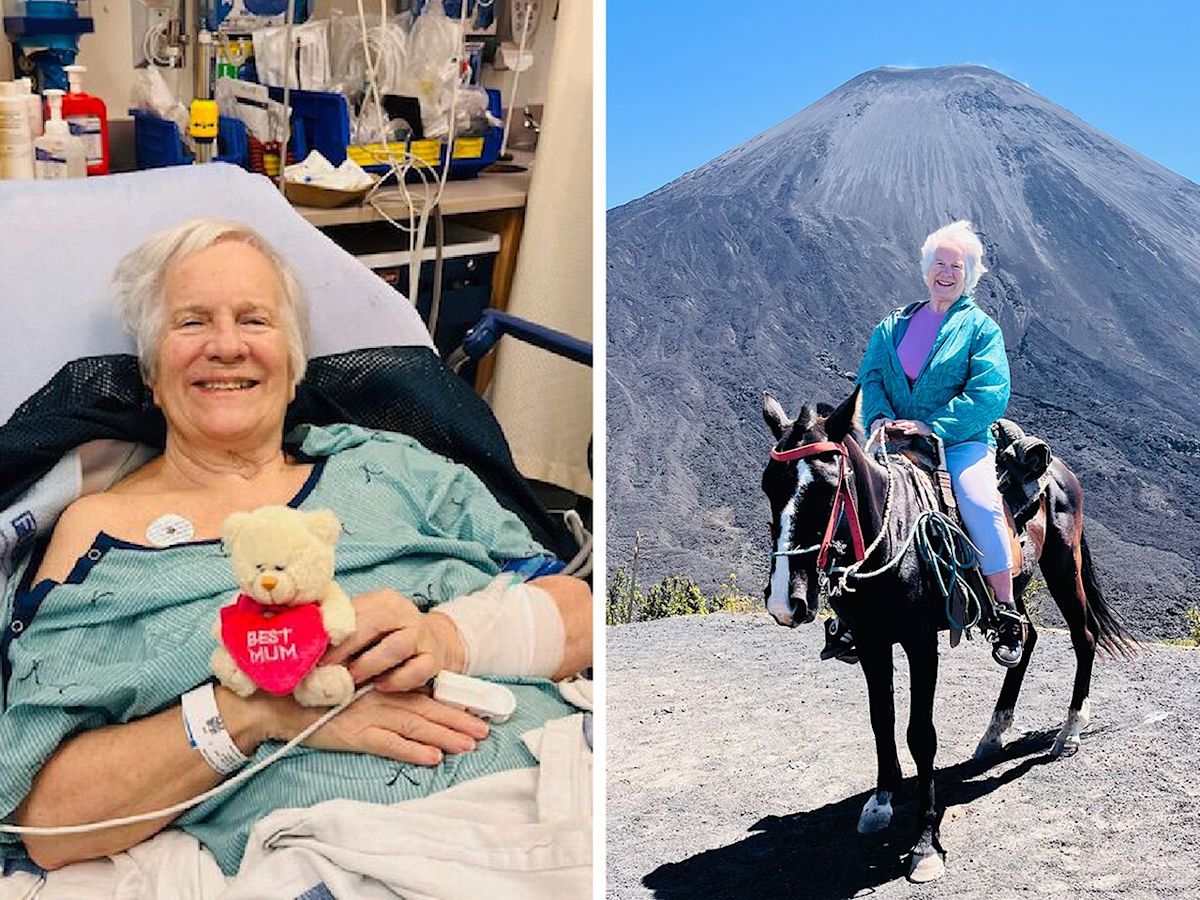
Photo: Courtesy Miriam Lancaster, via National Post (source)
“(The doctor) came in and said, ‘Miriam, I understand you’re in a lot of pain. We can offer you MAID.’ Just like that,” Weaver said. The family says rehabilitation was only raised after they gave a firm no, and then described as “a long road.” Lancaster chose rehab: ten days at VGH and a little over three weeks at UBC Hospital. Six weeks after the fracture, she walked her daughter down the aisle. She later travelled to Cuba and Mexico, and walked and rode on horseback up Guatemala’s Pacaya volcano. She shared her story in a video on X in March 2026.
Why they were pushed toward MAID
In the family’s account, MAID was put in front of a frightened, heavily medicated 84-year-old as the first answer to a treatable injury. “It was a terrible day for her — she was in shock, she was in pain and she was heavily drugged,” Weaver said. Lancaster was also back in the emergency room where her husband had been taken before he died.
Vancouver Coastal Health told the National Post it was “not aware of a conversation between the patient and emergency department physicians at Vancouver General Hospital related to Medical Assistance in Dying,” and that emergency staff “are not generally in a position to raise the topic of MAID with patients.” Under its guidelines, though, staff “may consider bringing up MAID based on their clinical judgement.” Lancaster did not file a complaint. The account is disputed and has not been formally reviewed.
In their own words
“That was the last thing on my mind. I just wanted to find out why I was in pain,” Lancaster said in her video. “It’s just the timing. Especially coming into emergency — a patient is already upset and disoriented and wishing they weren’t there.”
She stressed that she was well cared for otherwise: “No complaints about how I was looked after, with the exception of the MAID invitation.” Her daughter said: “My mother is not frail. She climbed a volcano in Guatemala.”
What this case shows
Miriam Lancaster had a broken bone that healed. Had she been less sure of herself, or more alone, the option she says was raised first could have ended her life instead. Her story shows why the timing and order in which MAID is raised matter, and why older patients in pain should hear about treatment before they hear about death.
Sources
- National Post (via Yahoo News Canada): This B.C. woman was offered MAID before other treatments. She said no to death and went on to climb a volcano
- National Post: BC woman says doctor offered MAID for back pain before other options
- New York Post: Woman visiting ER for back pain stunned after doctor suggests euthanasia program
Leave a Reply