
Case reference: MAID-BC-2023-SFGW · Victoria, British Columbia · MAID raised by others; not requested · Recorded by the register as a MAID victim
Who she is
Allison Ducluzeau lives in Victoria, British Columbia. In late 2022 she was 56, a mother of a son and a daughter, still grieving her own parents. She later married her partner on a beach in Hawaii — a wedding she says she could not have imagined when she was first told she might have only months to live.
She lifts weights, runs, cycles and golfs. “There is nothing that I did before I got sick that I can’t do now,” she told Global News after her U.S. surgery.
What happened
Over Thanksgiving 2022 she developed severe abdominal pain. Scans were slow to arrange; she ended up in emergency in November. A CT suggested peritoneal carcinomatosis. After biopsies confirmed stage 4 disease, she was referred to the BC Cancer Agency. In January, she says, a consulting surgeon told her she was not a candidate for surgery, that chemotherapy worked in only about half of such cases to slow the disease, that her lifespan looked like “two months to two years,” and that she should get her affairs in order and talk to her family about her wishes — “which was indicating… whether you want to have medically assisted dying or not.”
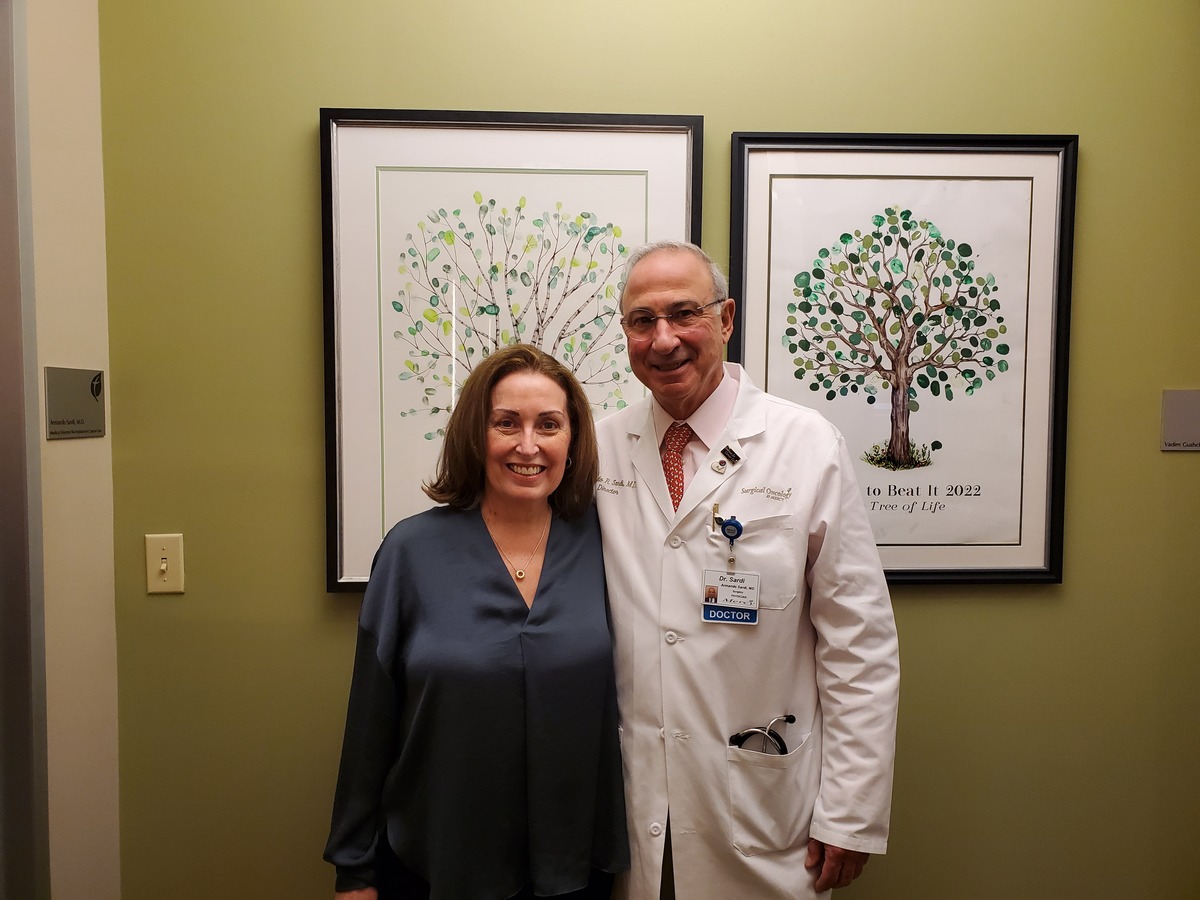
Photo: Allison Ducluzeau, via UnHerd (source)
That night she told her children she might live only another two months. “If I’d not had my children, I might have accepted MAID — but when I saw the effect on them… it made me dig really deep,” she later told UnHerd. She researched HIPEC, spoke to doctors in Taiwan and Washington State, and within a week had a Zoom with Dr. Armando Sardi at Mercy Medical Center in Baltimore. She flew to California for a PET scan, paid for care she could not get on time at home, and had debulking surgery plus heated intraperitoneal chemotherapy. She raised nearly half of the roughly $200,000 cost by crowdfunding.
She did not get a BC Cancer oncology phone appointment until mid-March — two and a half months after the MAID conversation — by which time she was already recovering from Baltimore. After she returned, she says she was offered MAID a second time, on the phone, while alone; it left her sobbing. She went into remission, married, and returned to work within a month of surgery. BC Cancer later refused to document the U.S. care as the recommended treatment for reimbursement.
Why they were pushed toward MAID
In Ducluzeau’s account, MAID was put on the table at the first specialist meeting instead of a treatment plan she later proved was available. “I could barely breathe — I went in there hoping to come out with a treatment plan but was just told to get my will in order,” she told UnHerd. “I was disgusted to be offered MAID twice.”
She does not oppose MAID in every circumstance — she had agreed it was appropriate for her father’s late prostate-cancer pain — but she argues it is dangerous when oncology services are overwhelmed. “We do not have a good standard of care here, especially for cancer — and that is why it is so dangerous to have MAID, especially when it can be used to take a bit of pressure off physicians and the government.” She told Global News she would ask the health minister: when patients with aggressive stage 4 cancer finally get seen, “they get offered treatment and not MAID like I was the first time.” These are her own public accounts; BC Cancer has disputed that HIPEC was the recommended path for her case.
In their own words
“That was honestly the worst day of my life,” she said of telling her children. “Universal healthcare really doesn’t exist. My experience is it’s ‘do it yourself’ health care and GoFundMe health care.”
To Britain and others debating assisted dying, she said: “I would tell Britain to only accept assisted dying when the health service is fixed — otherwise it is a very dangerous step to take. We deserve decent and timely care rather than offers of faster death.”
What this case shows
Allison Ducluzeau was told to plan her death; she planned a flight to Baltimore instead. She is alive, remarried, and active because she could raise the money to leave. Her case shows how quickly MAID can fill the gap when a cancer system says “inoperable” and “get your affairs in order” before it offers a real shot at treatment.
Sources
- Global News: B.C. woman gets surgery in U.S., says wait times at home could have cost her life
- UnHerd: ‘I was offered assisted dying over cancer treatment’
- The Post Millennial: Canadian cancer patient told condition untreatable, doctors offer government-assisted suicide—she gets life-saving surgery in the US
- Live Action News (archive): Canadian woman diagnosed with cancer was offered death instead of treatment
- X post by @AlixG_2: “This Canadian woman was given MAID as her only choice for stage 4 cancer” (video)
Leave a Reply