
Case reference: MAID-BC-2019-4M9Z · Chilliwack, British Columbia · Died by MAID · Recorded by the register as a MAID victim
Who he was
Alan Nichols lived an independent life in Chilliwack, British Columbia. He owned his own condominium, had money in the bank, and managed his daily affairs himself. Every week, his family picked him up to buy groceries and helped with his banking. His sister Trish told Parliament that “his family and neighbours lovingly kept an eye out for him,” and that he “didn’t rely on our health care system for any support.”
Alan was hard of hearing. His brother Gary has written that Alan had been diagnosed with severe depression, anxiety and paranoia, which went untreated after he stopped taking his prescribed medication. Change was hard for him. But, as Trish put it, “he always recovered.”
What happened
On 16 June 2019, a neighbour asked the RCMP to check on Alan. He was taken by ambulance to Chilliwack General Hospital against his will and held there as an involuntary patient for suicide protection. Gary flew in from Edmonton to be with him that night.
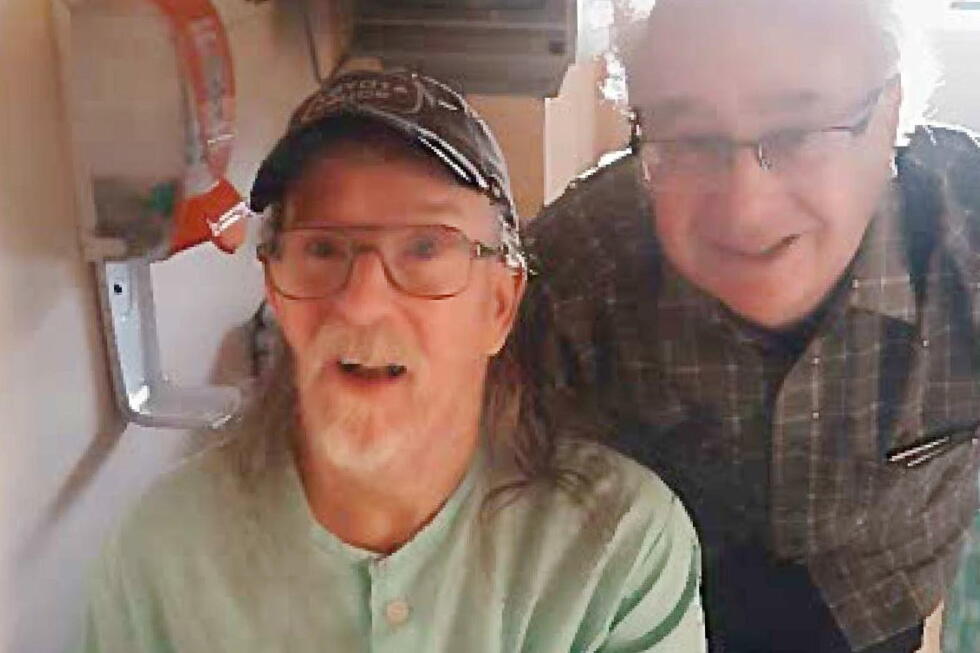
Photo: Gary Nichols (family), via AP (source)
While Alan was in hospital, a request for medical assistance in dying (MAID) was made on his behalf. According to the Associated Press, the form listed one health condition as the reason for his request: hearing loss. Gary’s brief to the House of Commons Justice Committee describes a provision set for 19 July that was halted because hospital protocol had not been followed: no doctor was present, there was no directive for his body, and the family had not been told. On 22 July, a doctor called Gary to say Alan would receive MAID in four days. He died on 26 July 2019. The AP reports that his family and a nurse practitioner had both raised concerns.
Why they were pushed toward MAID
In the family’s account, it was a mental health crisis, not a condition that met the law’s criteria, that led Alan to MAID. At the time, the law still required a reasonably foreseeable death. Trish told the Special Joint Committee on MAID: “He did not have a foreseeable death. He struggled with recurring mental health crises, but he always recovered.”
The family argues that Alan lacked the capacity to understand the process and was not suffering unbearably, both of which the law requires. Trish also pointed out that his hearing had been corrected. She asked MPs: “How can doctors accept, approve and administer a death for this when Alan did not have a terminal illness and his hearing had been corrected, and all the while he had been involuntarily admitted for suicide protection?”
In the family’s view, the hospital stay that was meant to protect him is what put him in danger. “Placing him involuntarily in hospital care is what put Alan in imminent danger,” Trish testified.
What their family says
“Alan was basically put to death,” Gary told the Associated Press. The family reported the death to police and health authorities. Trish told MPs they still have no answers: “We still have no answers after repeatedly trying to have his death investigated.” She said the RCMP would not investigate, and noted that it was the RCMP who had taken Alan to hospital.
Gary wrote that “a 90 day waiting period may have prevented the premature death by MAiD in the case of our brother Alan.” Trish asked the committee: “Would you feel safe now, bringing your suicidal loved one to seek medical care for recovery when there are no oversight or stringent safeguards surrounding a procedure that kills people?”
What this case shows
Alan Nichols went to hospital because people who cared about him feared for his safety, and he died there with hearing loss named as the reason. His case shows what happens when a person in a mental health crisis can reach MAID faster than they can reach recovery. It also shows how little recourse families have when they believe the safeguards failed.
Leave a Reply