
Case reference: MAID-ON-2021-XK3C · Toronto, Ontario · Died by MAID · Recorded by the register as a MAID victim
Who she was
Rosina Kamis was a 41-year-old Malaysian-born woman living in Toronto. She lived with fibromyalgia, chronic leukemia and other physical and mental illnesses, including a diagnosis of major depressive disorder, and she had a long list of medications. She had a service dog. She had a small circle of friends and people she trusted as her powers of attorney. She also had a tiny YouTube channel, where she spoke to about two dozen subscribers about her daily life.
In one of those videos she said something that captures her story: “Sometimes all the pain will go away just by having another human being here.”
What happened
Rosina applied for MAID in 2021, citing fibromyalgia as her main condition. She told her assessors she had no quality of life, was confined to her bed and was in constant pain. Her conditions were chronic, not terminal.
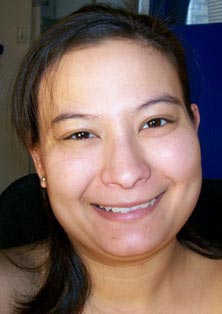
Photo: The New Atlantis (source)
Journalist Alexander Raikin reviewed her emails, her Google Drive, recordings of her doctor appointments and of her second MAID assessment, her videos and medical documents, and interviewed her friends and powers of attorney. What he found, published in The New Atlantis in December 2022, was a much messier picture than the one she showed her assessors. The assessment took place over the phone. In the recording, the assessor gets her name wrong and reassures her: “It’s a very elegant, graceful, dignified death.”
Rosina was approved. She asked to die on her abusive ex-husband’s birthday. On 26 September 2021, a doctor gave her a lethal injection in her shared basement apartment.
Why they were pushed toward MAID
In her own words, loneliness, hunger and fear pushed Rosina to MAID more than physical pain did. In a message apparently meant for her powers of attorney, she wrote: “Please keep all this secret while I am still alive because … the suffering I experience is mental suffering, not physical.” She added: “I think if more people cared about me, I might be able to handle the suffering caused by my physical illnesses alone.”
According to The New Atlantis, she was often hungry. When her fingers hurt she could not make food, and she posted a video of herself going to bed in the dark, hungry and crying. Her landlord was trying to evict her and she had nowhere else to go. She feared losing her service dog and being put in an institution. On a GoFundMe page she started to buy food, she wrote that she had decided MAID was “the best thing for me and everyone else on this planet.” She also saw herself as a burden, writing that MAID “is the best solution for all.”
These reasons come from her own writings, as reported. No official body has examined her case.
What their family says
Rosina had no family voice in the reporting. Her friends and powers of attorney, who received her emails, were the ones who shared her story after her death. The reporting reflects what she wrote to them: that she wanted it kept secret while she was alive, and that she wished more people had cared.
What this case shows
Rosina Kamis showed one face of her suffering to the MAID system and another to the people she trusted. The system saw the first one and approved her over the phone. Her case shows how an assessment focused on a medical diagnosis can miss the loneliness, hunger and housing insecurity underneath. If more people had cared, by her own account, she might have been able to live.
Leave a Reply