
Chris Gladders was from Hamilton, Ontario. At 30 he was diagnosed with Fabry disease, a rare genetic disorder that raises the risk of heart attacks, strokes and serious kidney problems. His older brother, Shawn, was close to him.
After a stroke, Chris spent six months in a Hamilton hospital. During the first wave of COVID-19 he was moved to Greycliff Manor, a retirement home in Niagara Falls, to wait for a long-term care bed. Niagara Falls MPP Wayne Gates said it was a residence that could not handle Chris’s complex needs. He had several more mild strokes there. Shawn says his brother went from using a walker to pulling himself along on his backside, with terrible open sores.
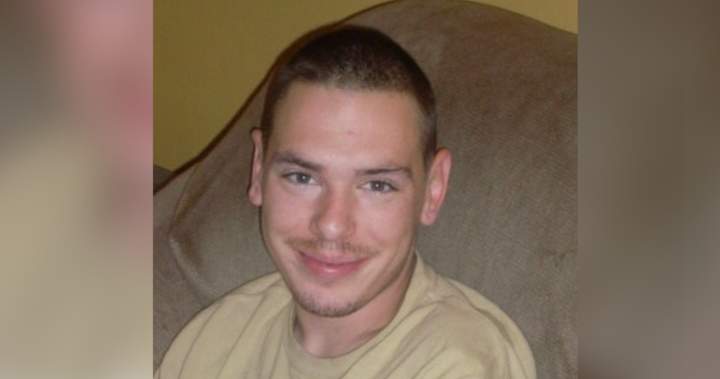
Photo: Global News (source)
The Retirement Homes Regulatory Authority had revoked the home’s licence in 2020, after 11 inspection reports that year citing problems including infection control, bed bugs, drug administration and a lack of continence products. The home was given until 2021 to move its residents out.
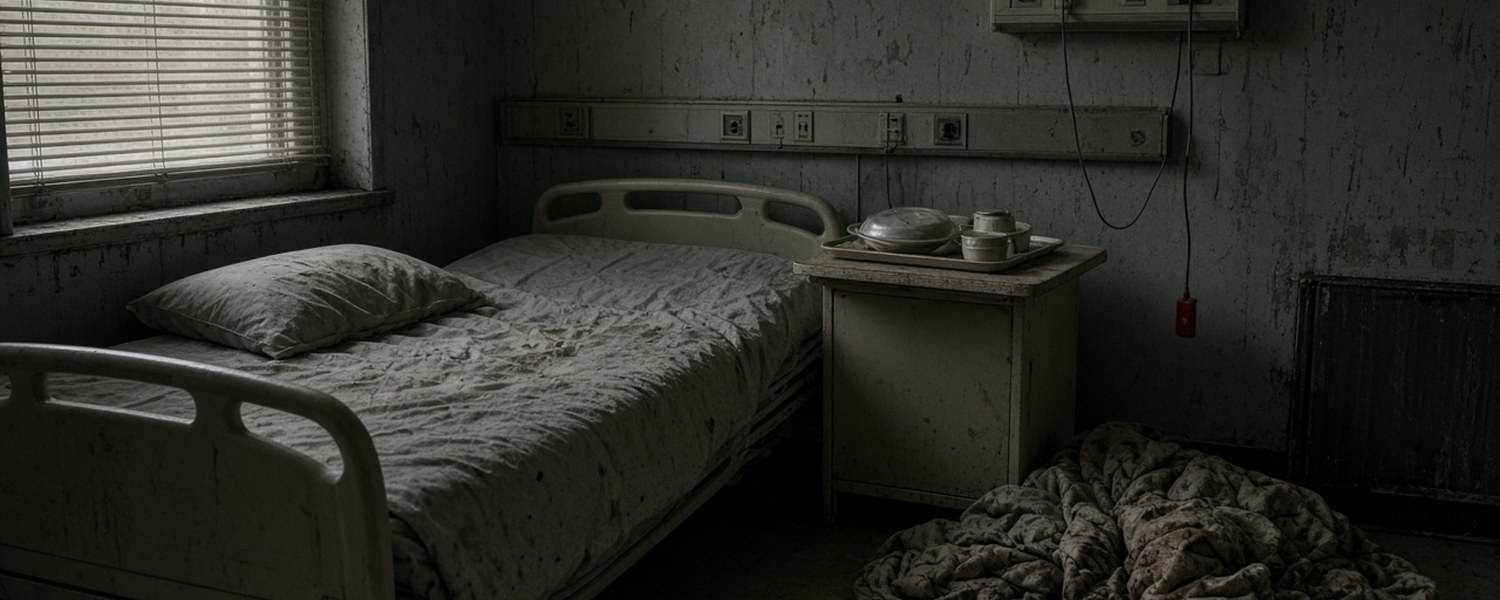
Shawn had never seen how his brother lived, because staff always brought Chris out to meet him in the car park, and Chris never complained. Then, in 2021, Shawn went into his brother’s room for the first time. He says there was urine and faeces on the floor, the sheets were filthy and the toilet was blocked. “It was terrible,” Shawn told the Toronto Sun. “It broke my heart.” That night, Chris pulled the call bell for 45 minutes while on the phone with Shawn, and no one came. The next day a nurse practitioner provided MAID, with Shawn at his side. Chris was 35. By then, Shawn said, his mind was already made up.
“There was no way he should have spent the last days of his life there,” Shawn said. “He should have been sent to palliative care … it was inhumane and disgusting.” He says his brother “deteriorated into a shell” of himself in his last months because the home could not meet his needs, and that he did not want to go on living there.
In his brother’s account, it was neglect, as much as disease, that pushed Chris toward MAID. The regulator’s inspection reports and licence revocation back up the concerns about the home; the link between its conditions and Chris’s decision is his family’s account. Chris Gladders was 35, disabled after a stroke, and left in a home that regulators had already found unfit. He died by MAID after a night in a filthy room where no one answered his call bell. His case shows how the failures of Ontario’s care homes can become the backdrop for an assisted death.
Sources
- Toronto Sun: LEVY: Man says brother, 35, with rare disease died in squalor at retirement home
- CBC News: Niagara MPP calls for province to take over ‘disgusting’ Greycliff Manor after 35-year-old dies
- Global News: Hamilton man dies amid ‘disturbing’ living conditions at Niagara Falls home, says family
Case reference: 3MB9-2RX4-2EZN-EWHN · Niagara Falls, Ontario · Died by MAID · Recorded by the register as a MAID victim
Leave a Reply