
Case reference: MAID-BC-2026-9XBK · Campbell River, British Columbia · MAID raised by others; not requested · Recorded by the register as a MAID victim
Who she is
Kristin Logan is a mother, wife, dual U.S.–Canadian citizen and former U.S. Air Force veteran. In 2023 she was living in Campbell River on Vancouver Island with her husband, Donovan James, and their daughter. She describes herself as someone who relishes a challenge — until B.C.’s cancer-care system left her fighting for her life without treatment.
By late 2026 she and Donovan were living in Texas, where she has continued chemotherapy through recurrences and has been back in the gym. “I’m still here when they told me three years ago that I wouldn’t make it two years,” she told Fox News’ The Ingraham Angle.
What happened
In spring 2023 Logan began reporting symptoms — extreme bloating, breathing trouble, rib pain — that were at first brushed off. In September 2023 an emergency-room visit found fluid in her lungs and abdomen; scans pointed to stage 4 ovarian cancer. She says she was promised priority care and told to wait for BC Cancer to call about chemotherapy. Weeks later, she says, Campbell River hospital and BC Cancer had no record of her referral. “If I would have relied on BC Cancer, I wouldn’t be sitting here,” she told CHEK News.
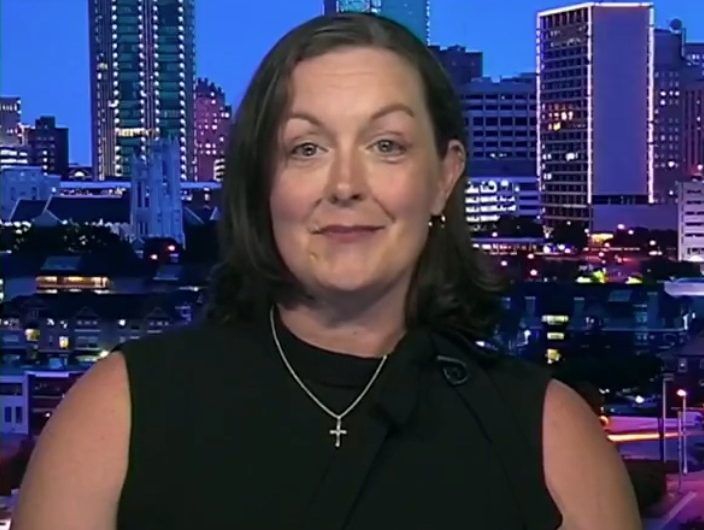
Photo: Kristin Logan / via Toronto Sun (source)
As a dual citizen and veteran she went to the VA and University of Washington system in Seattle, started chemo, and later had HIPEC surgery. When she returned to Canada she again faced emergencies — lungs filling with fluid, near sepsis — and was sent home with opioids, her husband says, until they evacuated her by ferry and car back to Seattle. The pattern continued until they secured him a green card and settled in Texas.
On 22 September 2026 she told Laura Ingraham that while she was still waiting for her first oncology call in B.C., a pamphlet about medical assistance in dying arrived in the mail. “I hadn’t even seen an oncologist yet before I got that pamphlet,” she said. “As I’m waiting for even the first call from the oncology team, I get this pamphlet in the mail basically telling me that I can go and kill myself.”
Why they were pushed toward MAID
In her own account and her husband’s, Logan was pushed toward MAID by a system that delayed and lost her cancer care and then put death literature in front of her before treatment. Donovan has said Canadian clinicians told them HIPEC “wouldn’t ever save her life” — it did in Seattle — and that without fleeing, “her only option would have been to kill herself on MAID.” She has clarified that a doctor did not stand over her and order her to die; receiving the MAID pamphlet during the wait, with no timeline for treatment, was what made the situation feel “dystopian.”
Local B.C. reporting in 2023 documented the lost chemo referral and U.S. flight for care; the MAID-pamphlet account in her own words aired nationally in September 2026. These are the family’s and her own public accounts.
In their own words
“It was very disturbing. At that point you realize what a dystopian situation it is because nobody’s going to tell you how long you’re going to be waiting for treatment,” Logan told Ingraham. Doctors had told her she was “fast-tracked,” which she called “ridiculous.”
Donovan, in a viral video picked up by LifeSiteNews and Texas Right to Life, said: “They tried to kill my wife.” In Texas, he said, “nobody talks about death.” After she was back squatting in the gym while entering a third remission, he asked: “Does that sound like somebody who’s ready to die, Canada? Does that sound like somebody who needs to kill themselves with MAID?”
What this case shows
Kristin Logan wanted chemotherapy and surgery, not a death pamphlet. She got treatment only by leaving Canada — twice — and is alive because she could. Her case shows what happens when Track-era MAID literature reaches a cancer patient faster than an oncologist does, and when the “choice” on offer is death while care is lost in a queue.
Sources
- Toronto Sun: ‘Dying’ woman flees Canada for U.S. after she was given MAID pamphlet: ‘A DYSTOPIAN SITUATION’
- X / The Ingraham Angle (Fox News): Kristin Logan interview clips: MAID pamphlet before oncologist
- Live Action News: Canada pushed her toward MAiD. Then Texas doctors saved her life.
- LifeSiteNews: Canadian man refuses to let wife die by euthanasia, takes her to US for treatment
- Texas Right to Life: Canada Said Her Only Choice Was Assisted Suicide… Texas Helped Save Her Life
- CHEK News: Campbell River woman pursues cancer treatment in U.S., care in B.C. falls through cracks
- Global News: Vancouver Island woman seeks cancer treatment in U.S. after struggle for local care
- Rebel News: ‘Left to die’: B.C. woman flees Canada TWICE for adequate cancer care
- X post by @AshSavesUSA: Kristin Logan: “I hadn’t even seen an oncologist yet before I got that pamphlet.” (video)
Leave a Reply