 Illegal aliens have zero constitutional classification.
None. Zip. Nada. They are not a “protected class,” they are not a “designated group,” and they aren’t magically granted citizenship-based rights just because a judge somewhere feels poetic that day.
And here’s the part people pretend not to understand:
Judges can issue rulings that sound like they’re rewriting the Constitution, but the Constitution doesn’t bend just because some robed philosopher on a power trip wants to cosplay as a legislator.
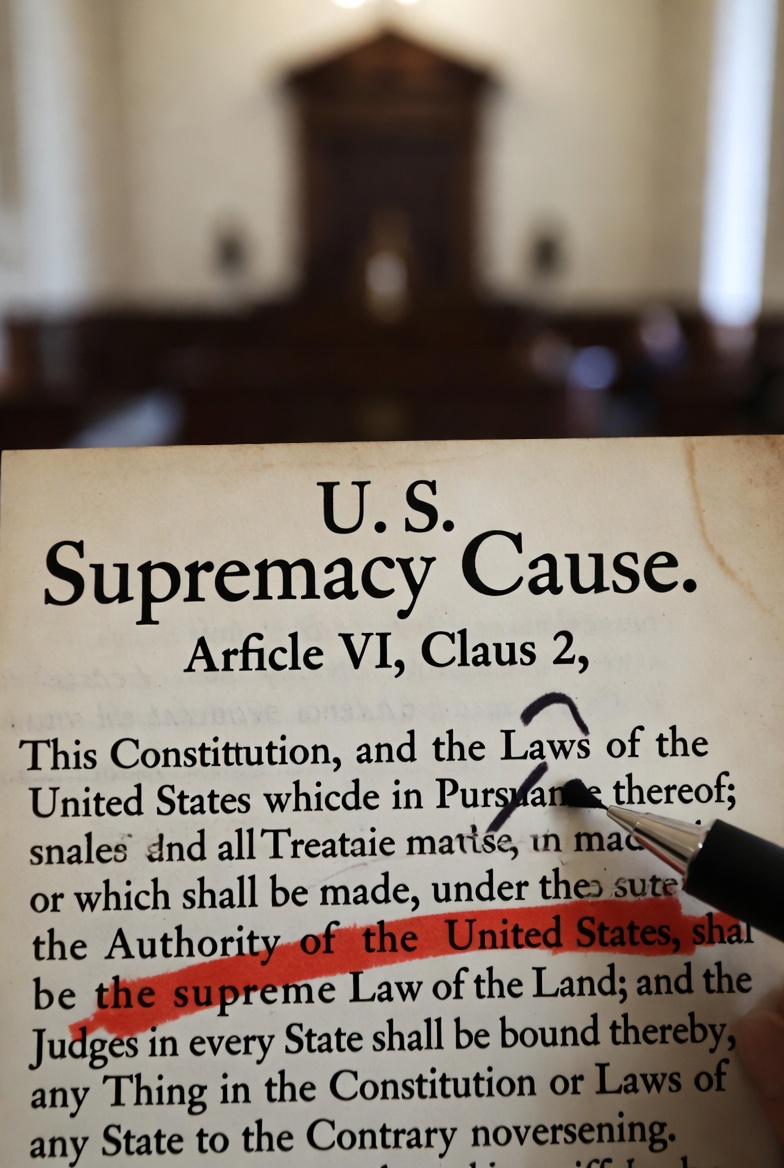
Why? Because of the Supremacy Clause.
Article VI, Clause 2 of the Constitution:
This Constitution… shall be the supreme law of the land.
Meaning:
If a judicial interpretation contradicts the Constitution’s actual text, the interpretation is wrong — not the Constitution.
Period. Full stop. No asterisk.
So when activists twist Boumediene, Rasul, or any other case to imply that illegal entrants are suddenly entitled to the full suite of constitutional protections — that’s exactly what it looks like:
A judicial end-run around the Constitution, and therefore null and void in its effect.
The Constitution draws the lines. Not judges. Not bureaucrats. Not political appointees auditioning for MSNBC.
The Founders weren’t ambiguous:
The Constitution binds the government. It protects the People. And illegal non-citizens aren’t “the People.”
They don’t gain equal standing simply by climbing a fence, sailing a dinghy, or overstaying a visa.
This isn’t xenophobia. It’s legal architecture.
If someone wants to claim constitutional rights as an illegal entrant, there’s a perfectly valid path:
It’s called becoming a citizen or at least a lawful resident.
Not judicial magic tricks. Not constitutional vandalism.
So yes — rulings that pretend otherwise?
They collapse the moment the Supremacy Clause shows up to the party.
Leave a Reply